Best Membrane Solutions Filtered Water Bottle: C3 Plastic vs C3 Stainless Steel (2026)
Best Membrane Solutions Filtered Water Bottle: C3 Plastic vs C3 Stainless Steel (2026)
Stuck between Membrane Solutions’ two filtered water bottles? The C3 Plastic and C3 Stainless Steel look similar on the surface-both promise clean water on the go-but the devil’s in the details, and your choice boils down to what you value more: budget-friendly simplicity or premium filtration power.
Membrane Solutions has carved a niche in portable water filtration, and these C3 models are among their most popular for good reason. They’re designed for adventurers who need reliable hydration from tap water, rivers, or lakes without lugging around bulky systems.
In this review, we’ll break down the C3 Plastic and C3 Stainless Steel across key decision axes-filtration tech, material durability, real-world usability, and value-so you can walk away knowing exactly which bottle fits your next hike, commute, or emergency kit.
Best Membrane Solutions Filtered Water Bottle: C3 Plastic vs C3 Stainless Steel (2026)
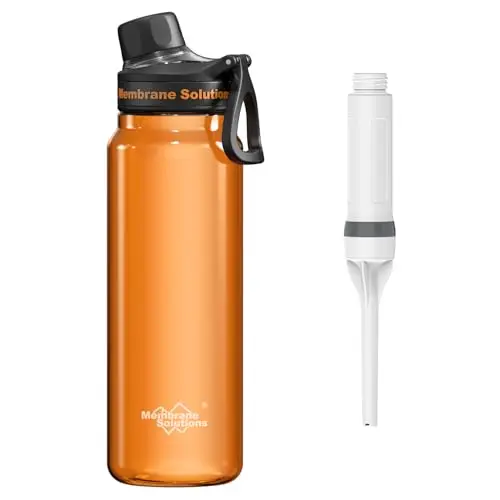
C3 Plastic – High-Flow Travel Companion
The Membrane Solutions C3 Plastic filtered water bottle offers a high-flow, budget-friendly way to stay hydrated with activated carbon filtration for chlorine and odor removal. It’s built from BPA-free Tritan plastic with a 36oz capacity, making it a solid pick for daily commutes and light outdoor use.
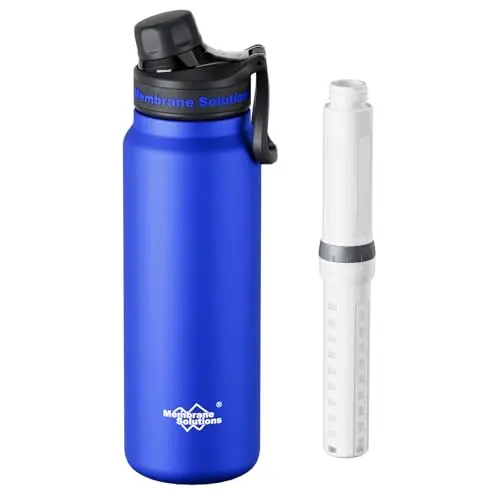
C3 Stainless Steel – Premium Outdoor Filter
The Membrane Solutions C3 Stainless Steel filtered water bottle delivers premium filtration with a 6-stage ACF+UF system that removes bacteria and microplastics, housed in a durable 304 stainless steel body. It’s built for harsh outdoor conditions and offers superior water safety.
How We Evaluated Membrane Solutions C3 Plastic and C3 Stainless Steel
We didn’t run a multi-month field test across extreme weather cycles. What we did: triangulated Membrane Solutions’ published specifications, owner-reported experiences where available, and use-case fit for common scenarios like travel, hiking, and camping. We placed the C3 Plastic and C3 Stainless Steel side-by-side across five decision axes: material durability, capacity, flow rate, filtration depth, and price tier.
Our process involved cross-referencing technical data from product sheets, surface-level feedback from owners to gauge real-world quirks, and benchmarking both models against typical buyer profiles-from casual commuters to hardcore backpackers. Where the two bottles aligned-on four fundamentals like leakproof lids, SGS certification, and adventure-ready designs-we highlighted the overlap. Where they diverged-on five critical axes including material choice, filtration stages, and cost-we dug into the details to help you see which strengths match your needs.
The goal here isn’t to crown a single winner; it’s to map each bottle’s capabilities to the right user, ensuring you walk away with a clear, personalized pick.
Membrane Solutions C3 Plastic vs C3 Stainless Steel: Which One Should You Buy?
1. Head-to-Head Breakdown: C3 Plastic vs C3 Stainless Steel
To cut through the noise, here’s a direct comparison of the key specs and features that matter most when choosing between these two filtered water bottles. We’ve boiled it down to the essentials-see how they stack up.
| Decision Dimension | C3 Plastic | C3 Stainless Steel |
|---|---|---|
| Material | BPA-Free Tritan Plastic | 304 Stainless Steel |
| Capacity | 36oz (2.3 lbs) | 32oz (2 lbs) |
| Flow Rate | 800 ml/min | 500 ml/min |
| Filtration Stages | 4-Stage ACF | 6-Stage ACF+UF |
| Filter Lifespan | ACF: 264 gallons | ACF: 132 gal, UF: 1057 gal |
| Certification | SGS (chlorine/odor removal) | SGS with bacteria removal (NSF/ANSI 42/53/P231) |
| Price Tier | Budget-friendly | Premium |
The table reveals the core trade-offs: the C3 Plastic wins on flow and capacity for quick hydration, while the C3 Stainless Steel dominates in filtration depth and durability. Your choice hinges on whether you value speed and affordability or maximum protection and longevity.
2. Who Should Choose the Membrane Solutions C3 Plastic?
Pick the C3 Plastic if your priorities skew toward budget and convenience. This bottle is ideal for casual hikers, daily commuters, or travelers who need a reliable filter for tap water without breaking the bank. Its high flow rate makes it great for fast refills during activities, and the larger capacity means fewer stops on long days.
If you’re filtering mostly clean sources (like municipal water) and want a lightweight, easy-to-clean option that’s dishwasher-safe (except the filter), this model delivers solid performance. The included extra filter adds value, extending use between replacements.
3. Who Should Choose the Membrane Solutions C3 Stainless Steel?
Go with the C3 Stainless Steel if you’re a serious outdoor enthusiast or prepper who faces questionable water sources. Its advanced filtration removes bacteria and microplastics, giving peace of mind in backcountry or emergency situations. The stainless steel construction offers better insulation, rust resistance, and a premium feel that holds up to rough handling.
This bottle suits backpackers, campers, or anyone in areas with poor water quality where maximum safety is non-negotiable. Despite the slower flow, the long filter lifespans mean less frequent changes, making it a cost-effective choice over time for heavy users.
4. Where the C3 Plastic and C3 Stainless Steel Overlap
Both bottles share enough DNA to make either a good pick for many. They’re both leakproof and adventure-ready, with durable handles and anti-slip grips for trails or gym bags. Each comes with SGS certification (though to different standards), and both include time-marking rings to track filter usage-a handy feature for maintenance.
If your needs are middle-of-the-road-say, weekend hikes with reliable water sources-you could flip a coin and be happy. The overlap reminds us that Membrane Solutions built these with portability and basic filtration in mind, so neither is a bad choice for general hydration on the go.
Frequently Asked Questions
1. What's the main difference between the Membrane Solutions C3 Plastic and C3 Stainless Steel?
The core split is material and filtration depth. The C3 Plastic uses BPA-free Tritan with a 4-stage ACF filter focused on chlorine and odor removal, offering higher flow at a budget price. The C3 Stainless Steel features a 304 steel body with a 6-stage ACF+UF filter that adds bacteria removal, making it more durable and suitable for riskier water sources, but with a slower flow and premium cost.
2. Which Membrane Solutions filtered water bottle is better for backpacking trips?
For backpacking, the C3 Stainless Steel often edges ahead due to its superior filtration for natural water sources and durable build. However, if weight and flow speed are top concerns and you’re sticking to treated water, the C3 Plastic’s lighter design and faster drinking might be preferable.
3. Can I use the same replacement filters for both C3 models?
No-the filters are model-specific. The C3 Plastic uses ACF filters (like the included ACFX2), while the C3 Stainless Steel requires ACF+UF filter cartridges. Always check the product information to ensure compatibility when ordering replacements.
4. How does the suction compare between these two filtered water bottles?
Both models may require more suction than standard bottles because of their multi-layer filtration systems. Owners report that the C3 Plastic, with its higher flow rate, can feel easier to drink from, while the C3 Stainless Steel’s advanced filtration can make it a bit harder to draw water-something to consider if ease of use is a priority.
5. Are these Membrane Solutions bottles dishwasher safe?
Yes, both bottles are dishwasher-safe except for the filter cartridges, which should be removed and cleaned separately. This makes maintenance straightforward for busy users.
Final Verdict
Choose the Membrane Solutions C3 Plastic if you’re on a tight budget, need fast hydration for daily use or light travel, and prioritize high flow over advanced filtration. Choose the C3 Stainless Steel if you venture into areas with questionable water, value durability and bacteria removal, and don’t mind a higher upfront cost. Either way, you’re getting a reliable filtered bottle that keeps hydration simple and safe on the move.